Loading...
First Round of Abstract Submission Ends: Dec 31, 2026
Extended Early Bird Ends: Sep 28, 2026

Plenary Speakers

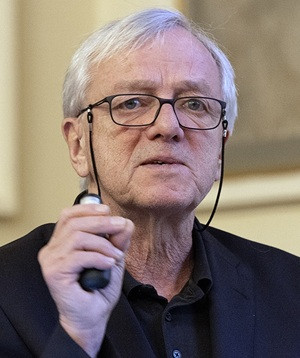
Prof. Andreas Vilcinskas
Justus Liebig University of Giessen, Germany
Title: The power of insect models in innate immune research
Prof. Dr. Andreas Vilcinskas studied biology at Free University of Berlin (FU Berlin) where he also received his doctorate in 1994 and completed his habilitation in zoology in 1998. From 1999 to 2004 he held a substitute Professorship in Evolutionary Biology and Zoology at the Department of Biochemistry and Biology at the University of Potsdam. Since 2004 he is a full Professor for Applied Entomology at Justus Liebig University Giessen, where he directed from 2010 to 2022 the globally biggest collaborative research project in applied entomology, entitled LOEWE Center for Insect Biotechnology and Bioresources. Since 2015, he is the founding Director of the world's first – academic institute for Insect Biotechnology at the University of Giessen. Since 2009, he simultaneously heads the Branch Bioresources of Fraunhofer Institute for Molecular Biology and Applied Ecology in Giessen. His expertise covers many areas of insect innate immunity. He discovered a number of novel antimicrobial peptides, which are currently evaluated for their potential in therapeutic therapies. Further, he elucidated the mechanisms behind transgenerational immune priming in insects and he develops ethically better acceptable insects models to replace mammals in preclinical research.
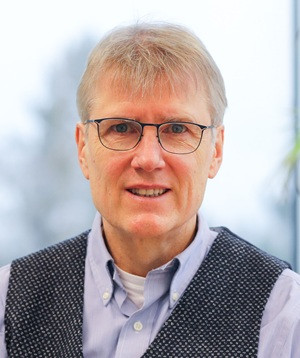
Prof. Dr. Stefan Rose-John
Christian-Albrechts-University Kiel, Germany
Title: IL-6 Trans-Signaling and ADAM17 in Autoimmunity and Cancer
Prof. Rose-John is at the Institute of Biochemistry and Molecular Biology at the Kiel University Medical School. He works since more than 35 years on structure-function studies of the cytokine IL-6 and members of the gp130 cytokine family. He has defined the binding sites between IL-6, IL-6R and gp130 and has used this knowledge to generate IL-6 receptor antagonists. Furthermore, he has discovered the so-called IL-6 trans-signaling pathway via the soluble IL-6 receptor. He could show that IL-6 classic-signaling via the membrane-bound IL-6 receptor is mainly protective and regenerative whereas IL-6 trans-signaling via the soluble IL-6 receptor is the pro-inflammatory component of IL-6 signaling. He generated a protein called sgp130Fc, which selectively blocks IL-6 trans-signaling and which does not interfere with IL-6 classic-signaling via the membrane bound IL-6R.

He has further developed the sgp130 protein into the drug Olamkicept, which could be used successfully in phase II studies in patients with inflammatory bowel disease. In this disease, global blockade of IL-6 is not possible due to side effects caused by blockade of IL-6 classic-signaling, which is involved in intestinal regeneration. Remarkably, in contrast to the global blockade of IL-6 activity, which leads to an increase in total cholesterol and LDL cholesterol, treatment of patients with Olamkicept results in constant total cholesterol and sharply decreased LDL cholesterol levels. Currently phase III clinical studies with Olamkicept are in preparation.

So far (07-2026), Prof. Rose-John's scientific output has been 492 original publications, 102 review articles and 28 book chapters with more than 67,000 citations (Google Scholar: 89,000) and an h-factor of 128 (Google Scholar: 150). Since 2020, Prof. Rose-John has been recognized as Clarivate Highly Cited Researcher.
Prof. Dr. Harald Renz
Philipps University Marburg, Germany
Title: To be confirmed.
Prof. Dr. Harald Renz is Professor and Director of the Institute of Laboratory Medicine at the Philipps University of Marburg and the University Hospitals Giessen and Marburg GmbH. He is Honorary and Visiting Professor at Kilimanjaro Christian Medical University KCMC and Co-Director of the newly founded Center of Excellence for Laboratory Medicine at KCMC in Moshi/Tanzania. He is also Visiting Professor at the Tongji University School of Medicine, Shanghai, China. His research focuses on the development of non-communicable diseases (e.g. chronic lung diseases, metabolic diseases, etc.) and he recently started focusing on the impact of climate change and biodiversity on disease development. He has published more than 350 original research papers. His current H-factor is 97 (01-2026). His D-index is 103, he currently ranks 370th in the medical sciences in Germany (source: Research.com, 2025).
Prof. Joerg Koehl
University of Lubeck, Germany
Title: The Complement Renaissance - from classical host defense to immune and metabolic regulation
The Köhl lab is interested in the biology of the complement system. A particular focus is on the multiple functions of the small cleavage fragments of C3 and C5, i.e. the anaphylatoxins (AT) C3a and C5a, in the networks of innate and adaptive immune responses. The ATs play important roles as mediators of inflammation. Further, they regulate and control multiple innate and adaptive immune responses through binding and activation of their cognate G protein-coupled receptors, i.e. C3a receptor (C3aR), C5a receptor 1 (C5aR1) and C5a receptor 2 (C5aR2), although the latter lacks important sequence motifs for G protein-coupling. Based on their pleiotropic functions, they contribute not only to tissue homeostasis but drive, perpetuate and resolve immune responses in many inflammatory diseases including infections, malignancies, autoimmune as well as allergic diseases. The lab has generated several floxed reporter mice to track and cell-specifically delete C3a receptor, C5a receptor 1 and C5a receptor 2 (C5L2)
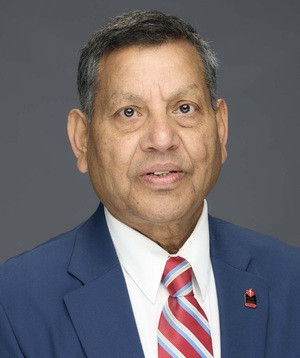
Prof. Devendra K. Agrawal
Western University of Health Sciences, USA
Title: IMMUNOMODULATION OF TRAUMATIC BRAIN INJURY: Effect of Electromagnetic Field Stimulation
Dr. Devendra K. Agrawal earned MSc, PhD (Biochemistry), PhD (Medical Sciences), MBA and MS (Information Technology & Management). He has served on several academic positions, including Clinical Biochemist, Professor, Founding Chairman of the Department of Clinical & Translational Science, Senior Associate Dean of Clinical & Translational Sciences, and Senior Vice President for Research and Biotechnology. Currently, Dr. Agrawal is the Professor and Director, Department of Translational Research, Western University of Health Sciences, Pomona, CA, USA. He is also a visiting professor in the Faculty of Medicine at The University of Belgrade, Serbia, The University of Banja Luka, Bosnia & Herzegovina, and The University of Kragujevac, Serbia.

Dr. Agrawal is a member of the Alpha Omega Alpha Honor Medical Society and is a Fellow of the American Academy of Allergy, Asthma and Immunology, American Heart Association, American Physiological Society, and International Academy of Cardiovascular Sciences. He has been recognized with many awards, including the highest teaching award at Creighton University, Distinguished Research Career Award, Distinguished Professor Award, Distinguished Faculty Service Award, University Research Award and Distinguished Mentor Award, Professor Bohuslav Ostadal Award for Excellence in Cardiovascular Sciences, Distinguished Leadership Award, Ricardo Gelpi Award, Andras Varro Award, Harpal Buttar Award, and Norman Alpert Award for Excellence in Cardiovascular Sciences, Exemplary Service Award for promoting Heart Health, and CVS Innovative Research Award for Outstanding Services in Cardiovascular physiology, Medicine, and Surgery. Dr. Agrawal has been an invited speaker to many prestigious national and international scientific meetings. Dr. Agrawal is serving on the position of Secretary General and Treasurer of the International Academy of Cardiovascular Sciences - North American section, and the Director and Treasurer of the Academy of Cardiovascular Sciences Foundation USA, Inc.

Dr. Agrawal has served on many grants review panels, including VA Merit Review, DoD, NIH-NIAID, NIH-NHLBI, MRC-UK and US-Israel BSF Grant Review Committees, Science Foundation Ireland, Austrian Science Fund, European Science Foundation, Research Foundation Flanders, British Lung Foundation, Swiss NSF, ViCi Netherlands,Swiss National Science Foundation (SNSF) and the Swiss Innovation Agency Innosuisse, and Asthma Research Foundation of Western Australia. Dr. Agrawal has served/currently serving on the editorial board of several prestigious journals. He is a journal editor of Molecular and Cell Biochemistry, Cardiology and Cardiovascular Medicine, and Journal of Surgery and Research. Dr. Agrawal contributed to science by publishing >700 original research articles in peer-reviewed journals and book chapters. He has co-edited books in Allergy, Asthma, and Immunology, COVID19 and Stem Cells, Flow Cytometry, Environmental Factors in the Pathogenesis of Cardiovascular Diseases, and Cardiovascular Toxicity. He is the series editor of “Cell Biology and Translational Medicine” of Springer (Nature) and currently co-editing two book volumes on “Diabetic Foot Ulcer: Molecular Mechanisms and Translational Strategies” and “Endoplasmic Reticulum and Mitochondria Crosstalk in Cardiovascular Diseases”. His major research areas include the cellular, molecular and immunobiology of coronary and carotid artery diseases, diabetes and metabolic syndrome, shoulder rotator cuff injury, traumatic brain injury, renal diseases, and allergy and bronchial asthma. NIH funds his research projects.

Dr. Agrawal has trained >300 medical students (who are now academic physician-scientists), directly supervised and guided 72 graduate students to earn MD-PhD, MD-MS, MS, and PhD degrees, 75 post-doctoral fellows, 15 assistant professors, many of whom are currently on high positions in academia and industries. Many clinical residents, fellows and research investigators have received training under his direct supervision. He is passionate to train and mentor next generation of clinical and translational researchers.
Prof. Christophe Caux
Cancer Center of Lyon, France
Title: Dendritic cells and NK cells in tumor immune surveillance
He made pioneer observations on human dendritic cells (DC), chemokines, and TLR leading to strategies to manipulate DC and reactivate anti-tumor immunity.

Director of Research at INSERM Since 2005, his research interests focus on the biology of Breast (BC) and Ovarian (OC) carcinoma to identify immune surveillance mechanisms and to develop therapeutic strategies based on reprograming tumor microenvironment. His team has pioneered several mechanisms of immune evasion in BC and OC: i) lympho-divpenia predicting outcome; ii) impaired type-I IFN pathways in pDC; iii) pDC cooperation with Treg for immunosuppressive network through ICOS/ICOSL interaction; iv) identification of a novel potent Th1/17 CD4+CD73+ T cell effector that is selectively inhibited through CD39+Treg; v) localized tumors skewing circulating blood innate immune cell function; vi) XCR1 cDC1 producing IFN-III associated to good prognosis in breast cancer and critical in cancer immune surveillance ; vii) NK DC cooperation in cancer immune surveillance.

Through the LICL (Lyon Immunotherapy of Cancer Laboratory) that he created in 2019, he pursued targets for drug development, and performed immune-monitoring of original immunotherapy approaches.
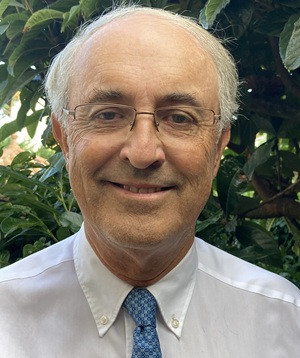
Prof. Pierre Miossec
University of Lyon, France
Title: Interleukin 17, a key target for treatment in chronic inflammation
Doctor Pierre Miossec MD PhD is distinguished professor of Clinical Immunology at the University of Lyon, France. He worked with Morris Ziff as a research fellow at the University of Texas in Dallas, where he started his research on the role of cytokines and T cells in the context of arthritis. He was the first to identify the destructive properties of interleukin-17 and to introduce the concept of its production by a new T cell subset. This has led to the very successful targeting of IL-17 in a growing number of diseases.

For his numerous contributions, he has received the EULAR Robecchi Prize for Rheumatology Research (1995), the most prestigious Carol Nachman prize in Rheumatology (2010) for his work on IL-17, the Morris Ziff lecture prize in Dallas (2010), the distinguished basic investigator award of the American College of Rheumatology (2015), the Gerald Weissmann prize, New York University (2016). He has been elected senior member of the Institut Universitaire de France (2011), membre correspondant then titulaire de l’Académie Nationale de Médecine (2016, 2021), member of the prestigious Association of American Physicians in 2019; Master of the American College of Rheumatology in 2020; Chairman, Clinical Immunology Committee, International Union of Immunological Societies (2021).
Prof. Helmut Salih
University Hospital Tuebingen, Germany
Title: Wll update soon
Helmut Salih is Professor and Chair for Translational Immunology within the German Cancer Consortium at the German Cancer Research Center (DKFZ) and Medical Director of CCU Translational Immunology within the Department of Internal Medicine at University Hospital Tuebingen, Germany. He studies the molecular mechanisms influencing tumor-immune interaction with the aim to develop novel strategies for cancer immunotherapy which then rapidly are then developed until the stage of clinical evaluation. As of 2025, 16 clinical trials evaluating own-developed T cell-activating concepts including several bispecific antibodies have been initiated financed by public funding at the CCU Translational Immunology. Several other trials evaluating (combinations with) peptide vaccines and also novel bispecific CD28 costimulators (BiCos) are upcoming. Helmut Salih also is founder of the spin-off company TWYCE GmbH which develops several of these concepts with 45 Million € financial support of Sprin-D (Federal Agency for Disruptive Innovation).
Prof. Angel Porgador
Ben-Gurion University of the Negev, Israel
Title: Cancer-Selective Immune Checkpoint Ligands as Therapeutic Targets Beyond Classical ICB
Prof. Angel Porgador is an immunologist whose research centers on innate and adaptive immunity in health and disease, with particular emphasis on cancer immunotherapy. He earned his Ph.D. from the Weizmann Institute of Science, completed postdoctoral training at Duke University Medical Center and the National Institutes of Health, and currently serves as a professor in the Shraga Segal Department of Microbiology, Immunology and Genetics at Ben-Gurion University of the Negev, where he has held several senior leadership positions, including Deputy Vice-President and Dean for Research and Development and Dean of the Faculty of Health Sciences. Alongside his scientific contributions, he has led major university-wide initiatives in research excellence, recruitment of new investigators, and academic expansion, including the establishment of new academic schools. Prof. Porgador has also served in leading national roles as President of the Israel Immunological Society, the Israeli Society for Cancer Research, and the Federation of the Israel Societies for Experimental Biology. His scientific and public contributions have been recognized with numerous awards, including the Tovi Comet-Wallerstein Prize and the FISEBstar Award. Prof. porgador has published more than 170 papers (over 18000 citations).