Loading...
First Round of Abstract Submission Ends: Dec 31, 2026
Extended Early Bird Ends: Sep 28, 2026

Keynote Speakers

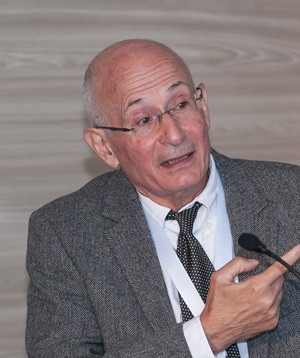
Prof. Moutih Rafei
University of Montreal, Canada
Title: To be confirmed.
Expert in cellular and molecular immunology with major focus on cell-based therapies and therapeutics. Innovative scientist who can continuously propose and implement new research projects and foster external collaborations based on emerging human disease understanding. Ability to work comfortably under pressure while maintaining high energy level in a field that emphasizes speed, organizational skills, decisiveness, and effective interpersonal communications. Expertise in training laboratory personnel with consistent track record of surpassing standards and goals. Research Interests: - Cytokines engineering and biology - Autoimmune diseases and oncology - Cell therapy and immuno-therapeutics - Discovery of novel compounds for stimulating thymopoiesis - Ex vivo expansion of hematopoietic stem cells.
Prof. Dirk Jäger
National Center for Tumor Diseases (NCT) Heidelberg, Germany
Title: Highly individualized immunotherapy
Dirk Jäger studied medicine at the Universities in Lübeck and Freiburg and received his MD degree in 1991. He specialized in the field of internal medicine and received his venia legendy at the University of Mainz in 2003. From 1998 to 2000 Dirk propeled his scientific career with a research grant from Cornell Medical Center, New York performing research in the Tumor Immunology Group of Yao Chen and Lloyd Old, Ludwig Institute for Cancer Research. 2001 to 2003 he was head of the SEREX research group at the Krankenhaus Nordwest in Frankfurt/Main. Thereafter, Dirk headed the Tumor Immunology Laboratory at the Oncology Department, University Hospital Zurich from 2003 to 2005.

Since 2005 Dirk is Managing Director of the National Center for Tumor Diseases (NCT) Heidelberg, as well as Medical Director of the Medical Oncology Department at the Heidelberg University Hospital (UKHD). In addition, he is Head of the Clinical Cooperation Unit “Applied Tumor-Immunity” at the German Cancer Research Center (DKFZ) since 2014. At NCT Heidelberg, he is responsible for all patient care programs and counseling services. His research focusses on immuno-oncology and the development of advanced methods and drugs to characterize and manipulate tumor-host interactions, in particular via modulation of the tumor environment. He could show that combinatorial immunotherapies can elicit clinical responses in otherwise non-responsive tumors. Further, his team engages in developing cellular therapies, bispecific antibodies, and computational tumor immunology.

Dirk has set up strategic alliances with several public institutions as well as with industry. He is involved in over 100 clinical trials, and builds on this foundation to further advance personalized cancer immunotherapy as innovative treatment concepts.
Prof. Alexandre Harari
University of Lausanne, Switzerland
Title: Immune Correlates of Efficacy in Adoptive Cell Transfer: Mechanistic Insights and Strategies for Enhancement
Dr. Alexandre Harari has more than 25 years of experience in human T-cell immunology. After 15 years of research on HIV-specific immune responses, he joined the laboratory of Prof. George Coukos at the Ludwig Institute for Cancer Research in Lausanne, Switzerland, in 2014. He initially served as Head of the Immune Monitoring Core before becoming Associate Director of the Center of Experimental Therapeutics (CTE).

He is currently an Associate Professor and leads the T-cell Discovery group within the department of Fundamental Oncology at University of Lausanne, Switzerland. His research focuses on the development of sensitive, high-throughput technologies to characterize antigen-specific T-cell responses and T-cell receptor (TCR) repertoires.

In parallel, his team investigates mechanisms underlying the efficacy of T-cell-based immunotherapies, identifies immune correlates of clinical benefit, and develops innovative strategies to improve adoptive T-cell therapies. More recently, the group has developed a combinatorial single-cell transcriptomic and TCR sequencing framework to identify private, tumor-reactive TCRs with potential clinical applications in personalized cancer immunotherapy.
Prof. François Ghiringhelli
Université Bourgogne Europe, France
Title: Tumor associated neutrophil reprogramming reverse resistance to chemoimmunotherapy.
I am Professor of Medical Oncology at the University of Burgundy, Director of the UMR INSERM 1231, and head of the team "Cancer and adaptive immune response". I am also head of the department of oncology and director of the early clinical trial unit. I did a doctorate in immunology at the University of Burgundy and a post-doctoral degree in the laboratory of Laurence Zitvogel at the Gustave Roussy institute. I participated in the discovery of the process of immunological cell death. My research team now works in the field of tumor immunology. The team is currently focusing on the biology of T cells and innate lymphoid cells in the field of cancer. We especially foster on the effect of chemotherapy on the immune response. In particular, we have discovered how 5-fluorouracil modulates the immune response during the treatment of colon cancer by inducing the production of interleukin 1B. This work is currently being translated into clinical trials. We recently discovered the effect of cisplatin on the generation of tertiary lymphoid structures and the capacity of MAPK targeting to reverse resistance to chemoimmunotherapy.
Prof. Francesco Maione
University of Naples Federico II, Italy
Title: Targeting Psoriasis through Innovative Biologic and Small Molecule Therapies
Francesco Maione is currently Associate Professor at the Department of Pharmacy, University of Naples Federico II, where he also serves as Head of the ISO9001-certified ImmunoPharmaLab. His research activity is primarily focused on two interconnected areas: the role of interleukin-17A/F in the pathogenesis of autoimmune and chronic inflammatory diseases (rheumatoid arthritis, inflammatory bowel diseases, psoriasis), and the immunomodulatory potential of natural compounds, nutraceuticals and novel supplements.

Over the course of his career, Prof. Maione has authored 110 documents indexed in Scopus, which have received 3,199 citations from 2,696 distinct documents, resulting in an h-index of 34. His work is consistently published in high-impact journals, with an average impact factor of 8.76, and over 70% of his publications fall within the top citation percentiles of their respective fields. He has been listed among the World's Top 2% Scientists (Elsevier/Stanford) for four consecutive years (2020–2023).

As senior and corresponding author, he has recently led several high-impact studies. Among these, his group developed a novel biologic (Ab-IPL-IL-17) targeting IL-17A/F, published in the Annals of the Rheumatic Diseases (2023), and demonstrated the protective effects of Mangifera indica in inflammatory bowel disease through a reverse translational approach (Journal of Autoimmunity, 2024). He has also extensively characterised the IL-17-driven modulation of the mPGES-1/PPAR-γ pathway in monocytes/macrophages (British Journal of Pharmacology, 2022) and the Th17/Treg balance in rheumatoid versus psoriatic arthritis (Autoimmunity Reviews, 2022).

Prof. Maione has a solid track record in securing competitive funding. He has acted as Principal Investigator and Unit Coordinator of a PRIN 2017 project (€90,000), as Unit Coordinator for a Versus Arthritis grant in partnership with the University of Birmingham (€55,000), and as Scientific Responsible for a PNRR-MUR project within the Tuscany Health Ecosystem – Spoke 4 (€135,000). He has also led several research contracts with European companies, including a €225,000 project on preclinical development of anti-inflammatory and immunomodulatory agents.

He is the founder and coordinator of the international ImmunoPharmaLab in collaboration with the University of Birmingham (UK), a partnership that has generated over 10 joint publications and one international patent. His leadership is further demonstrated by his role as Board Member of the Immunopharmacology Group of the Italian Society of Pharmacology (SIF) , as member of the IUPHAR Immunopharmacology Working Group, and as co-organiser of international symposia on immunopharmacology and autoimmune disorders.

His research output has also translated into intellectual property. He is the inventor of an international patent (WO2024/028436A1) and four Italian patents covering an IL-17-derived peptide/neutralising antibody, a nucleotide-based composition for Alzheimer's disease, temporin L analogues with anti-inflammatory and antimicrobial activity, and IL-17 as a hemostatic agent. Finally, Prof. Maione holds significant editorial responsibilities. He serves as Deputy Editor-in-Chief for Discovery Medicine, Consulting Editor for Pharmacological Research, and Executive Editor for Biomedicine & Pharmacotherapy, in addition to being an Editorial Board Member for Scientific Reports, Frontiers in Pharmacology and Molecules. He acts as a regular reviewer for over 50 international journals, including Nature Communications, PNAS, the British Journal of Pharmacology and Frontiers in Immunology.

Taken together, his publication record (105 documents, h-index 33, over 3,100 citations), funding history, leadership of international collaborations, editorial roles, membership in IUPHAR and SIF working groups, and translational outputs demonstrate a mature and highly competitive profile, fully adequate to coordinate a complex, multi-unit PRIN project in the field of immunopharmacology.
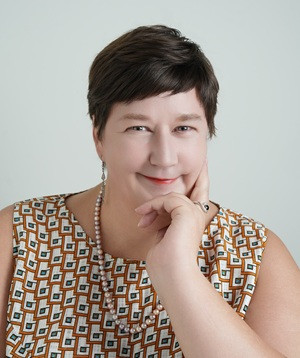
Prof. Juliane Walz
University Hospital Tübingen, Germany
Title: Will Update Soon
Juliane S. Walz (*1985) is a hematologist, oncologist and immunologist. Her research work focusses on the development of peptide-based immunotherapies for malignant and infectious disease until the stage of clinical evaluation. After a research scholarship at the National Cancer Institute, Bethesda, USA she was appointed in 2022 on a full (W3) Professorship for Peptide-based immunotherapy and as Medical Director of the CCU Translational Immunology at the University of Tübingen.
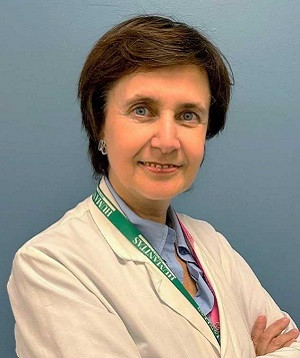
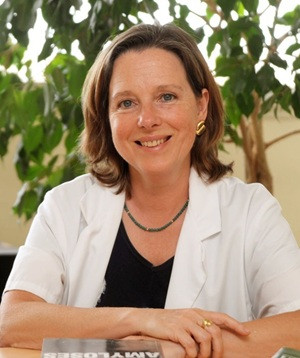
Prof. Nicoletta Di Simone
Humanitas University, Italy
Title: Endometrial functions  in recurrent pregnancy loss
Full Professor MED/40 in Obstetrics and Gynaecology at Humanitas University, Milan, Italy
Director of the School of Specialization in Obstetrics and Gynaecology, at Humanitas University, Milan, Italy
Director of the Multidisciplinary Centre of High-Risk Pregnancy, Humanitas San Pio X Research Hospital, Milan, Italy
Director Multidisciplinary Centre of Menopause, IRCCS, Humanitas Rozzano, Milan, Italy

Clinical fields of research: Recurrent miscarriage, High-risk pregnancy: Diabetes in pregnancy, Preeclampsia, Autoimmune diseases, Preterm Birth, Infertility, Endometriosis, Menopause
Translational research: Microbioma-Microbiota, Inflammation

She has published 176 papers in international journals with a high impact factor.
HI 51 (Source: Scopus ); citations: 5773.
She has been an invited speaker at 160 national and international conferences.
 
Dr. Daniela Frasca
University of Miami Miller School of Medicine, USA
Title: To be confirmed
Will update soon
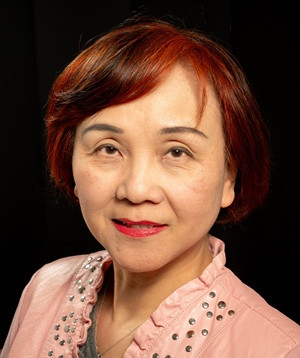
Prof. Gendie Lash
Guangzhou Women and Children’s Medical Center, China
Title: Dynamic differences in immune cell population phenotypes between decidual basalis and decidual parietalis in early human pregnancy
Gendie Lash is a Principal Investigator at the Guangzhou Women and Children’s Medical Center, Guangzhou, China. She graduated from the Department of Biochemistry at the University of Otago, Dunedin, New Zealand with a BSc (Hons) and PhD. She then worked as a post-doctoral fellow at the University of Nottingham, UK, Queen’s University, Canada and Newcastle University, UK. She was also a lecturer at Newcastle University before moving to Guangzhou in July 2015. Her research program focuses on development and remodelling of the uterine spiral arteries and how failures in these processes impact women’s reproductive health.

She is widely published with over 160 papers and book chapters. She is an editor for Placenta, and deputy editor for Maternal-Fetal Medicine. She also serves on the Editorial Boards of Journal of Reproductive Immunology, Frontiers (Reproduction and Immune Tolerance), and Translational Pediatrics. She reviews for a wide range of journals and grant funding bodies. In China her funding comes from the NSFC, Guangdong Province Science and Technology Fund, and the Guangzhou Municipal Science and Technology Fund.